What Constitutes a Training Retreat
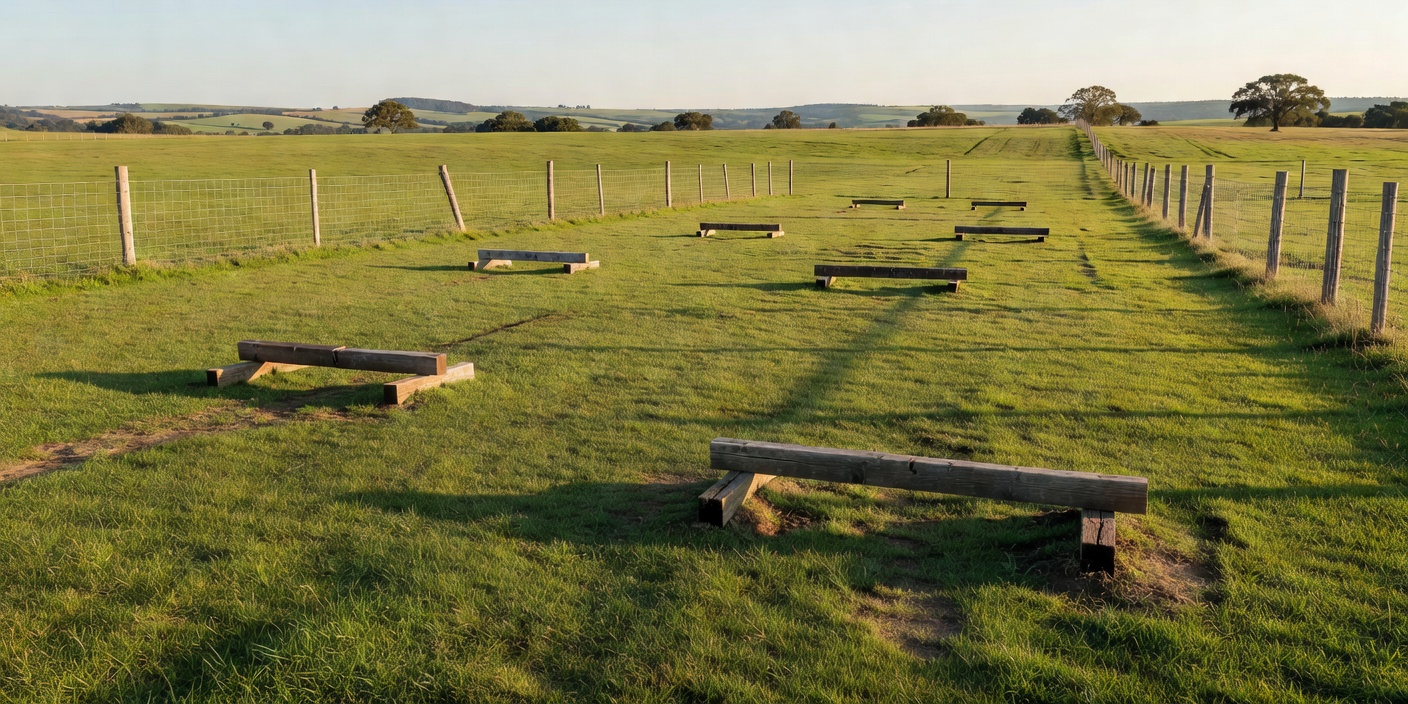
A dog training retreat is not a boarding kennel with occasional exercise. It is an immersive operational program where handlers and dogs reside on or adjacent to structured training grounds. The core principle is environmental reset. In domestic settings, habitual triggers—doorbells, delivery couriers, urban street density—interfere with sustained handler focus. Countryside locations eliminate high-frequency suburban stressors, replacing them with controllable rural space.
Programs typically span 3 to 7 consecutive days. This timeframe allows dogs to move beyond initial travel agitation, enter a regulated circadian rhythm, and engage in repeated short training cycles without returning to chaotic domestic habits at night.
Individual vs. Group Session Architecture
Reliable retreats separate learning into two distinct phases: isolated mechanical work and controlled social proximity.
Individual Solo Sessions
Conducted in an enclosed field or training barn with only handler, instructor, and dog present.
- Focuses on leash handling mechanics and timing.
- Eliminates visual competition from unfamiliar dogs.
- Allows immediate pauses when arousal crosses optimal thresholds.
Controlled Group Working Blocks
Conducted across wider acreage with defined buffer distances between pairs.
- Tests neutral disengagement rather than direct canine play.
- Maintains 20 to 50 meter separation distances.
- Teaches dogs to maintain attention while other dogs walk perpendicular lines.
Owner Participation: The Non-Negotiable Core
Retreat models that take the dog away for total "turnkey" resolution frequently fail long-term maintenance tests. Dogs are highly contextual learners. A dog can learn strict compliance with a professional trainer, yet immediately resume pulling or barking with their family because the human handler has not adjusted their timing, vocal tone, or body posture.
Modern retreat frameworks place the human at the center of every working block. The instructor acts as an executive coach, observing handler posture, leash slack, reward delivery speed, and vocal cadence. The human builds the muscle memory necessary to uphold the standard once back in the domestic environment.
Rest Periods and Cognitive Consolidation
Training retreats do not run six continuous hours of physical drilling. Canine cognitive stamina is finite. High-intensity learning creates neural fatigue within 20 to 30 minutes. Programs balance 40-minute active field intervals with mandatory 90-minute sleep breaks in quiet, darkened accommodations.
During these rest periods, motor skills and memory consolidate. Dogs permitted uninterrupted rest between sessions show significantly lower salivary cortisol levels and increased responsiveness during afternoon repetitions.
Good For
- Handlers seeking concentrated, uninterrupted instructional hours away from work demands.
- Adolescent dogs needing systematic attention proofing in low-density outdoor spaces.
- Pairs struggling with leash coordination, timing inconsistencies, or over-arousal on neighborhood paths.
What to Know Beforehand
- Retreats do not provide instant behavioral rewiring; they establish frameworks that require months of consistent repetition at home.
- Dogs showing extreme fear or territorial aggression may find new rural grounds disorienting; medical and clinical evaluations should precede any group booking.
- Weather conditions in countryside venues vary; handlers must prepare waterproof outerwear and robust footwear.
Realistic Expectations and Limitations
No ethical practitioner guarantees behavioral transformation within 5 days. Behavioral shifts depend on handler consistency, canine genetics, prior reinforcement history, and ongoing domestic management. Retreats provide clarity, environmental control, and mechanical competence. They do not magically erase deeply ingrained patterns without ongoing domestic follow-through.